Yes, you just said yes, and now the questions are coming faster than the congratulations: Where do we even start? How far in advance should we book a venue? Is there an actual to-do list for a bride and groom that doesn’t feel like an unpaid part-time job? Somewhere around the third venue, wedding planning starts to feel like a marathon. We have often watched the excitement of getting engaged slowly turn into a spreadsheet, a dozen open browser tabs, and a low hum of worry that something important is about to slip through the cracks.
Take a breath; you don’t have to figure this out from scratch. We have a pretty dependable checklist with 12 practical, tested tips to plan a wedding. Once you follow that, most of the chaos sorts itself out on its own. Okay, not all of it. Weddings are still work, but the guesswork part? That, we can fix.
Key takeaways
- As per The Knot’s 2026 Real Weddings Study, the average U.S. wedding costs about $34,000 and takes roughly 15 months to plan.
- Book your venue and set your budget before anything else. Every other decision, including your guest list, depends on these two.
- An all-in-one venue with in-house catering, bar service, and event coordination (like a golf club or resort venue) makes your checklist shorter.
- Indoor-outdoor flexibility protects your wedding day from unusual weather surprises.
- Hire a day-of coordinator to manage tasks early and reduce stress in the final 30 days.
Why Every Couple Needs a Wedding Planning Timeline (Not Just a To-Do List)
Most wedding advice throws a hundred tasks at you with zero sense of order, which is exactly how good ideas turn into 2 a.m. panic spirals. So, to keep it simple, batch tasks by when they need to happen, not by how exciting they are. Booking a DJ is more fun than applying for a marriage license, but the license has a deadline and the DJ, within reason, doesn’t. Booking a caterer before you know your guest count, or ordering invitations before your venue is confirmed, creates rework and wasted money.
Check your phase against the timeline, so that in any given week, you’re really only thinking about the four or five things that matter right now. The Knot’s 2026 Real Weddings Study suggests that couples who married in 2025 spent an average of $34,000, about $292 per guest, and the average engagement runs about 15 months. Yes, that’s not a deadline; it’s just a rough map for most couples with 12 to 18-month runway. Yours does not need to follow that. Even six-month engagements work fine; what matters is sticking to an order.
Your Ultimate Wedding Planning Checklist and Bride Timeline, 12 Months Out to “I Do”
Use this wedding planner tick list to guide your preparation; adjust the phases if your engagement is shorter or longer than average. The order of tasks matters more than the exact month.
12+ Months Before: Foundations
- Set your overall wedding budget and agree on who is contributing
- Create a realistic guest list draft (this drives your venue search)
- Choose your wedding date, or a short list of dates
- Tour and book your venue, ideally one that offers ceremony and reception space together
- Start a Pinterest board or mood board for style and colors
- Research and book your officiant
9–11 Months Before: Vendors and Details
- Book your photographer and videographer
- Book catering (or confirm in-house catering with your venue) and schedule a tasting
- Hire a band, DJ, or musicians
- Choose and order your wedding dress and groom’s attire
- Book a florist and discuss centerpiece and bouquet concepts
- Reserve a room block for out-of-town guests
6–8 Months Before: Logistics
- Send save-the-dates
- Hire a day-of or full-service wedding coordinator
- Plan your rehearsal dinner venue and guest list
- Register for gifts
- Finalize your ceremony structure with your officiant
- Book hair and makeup trials
4–5 Months Before: Confirming the Vision
- Order invitations and finalize wording
- Confirm menu, bar package, and rentals with your venue
- Plan your ceremony music and reception timeline (first dance, toasts, cake cutting)
- Arrange transportation for the wedding party
- Purchase wedding bands
2–3 Months Before: Tying Loose Ends
- Mail invitations and track RSVPs
- Finalize the seating chart once RSVPs are in
- Confirm final headcount with your caterer and venue
- Have your final dress fitting
- Write vows if you’re doing personalized vows
- Apply for your marriage license (check your state’s timing window)
The Final Month and Wedding Week
- Confirm arrival times and contact info with every vendor
- Give your coordinator or venue a detailed timeline for the day
- Pack an emergency kit (safety pins, stain remover, snacks, phone charger)
- Delegate day-of tasks (rings, gratuities, gift table) to trusted family or friends
- Confirm final payments and gratuities are ready in labeled envelopes
- Sleep, hydrate, and enjoy the moment. You’ve earned it.
Top 12 Wedding Planning Tips for a Smooth, Stress-Free Wedding Day
Think of this less as a rulebook and more as a packing list for the trip. Skip what doesn’t apply to you, and don’t panic if you’re doing things slightly out of order. It happens to everyone.
1. Talk money before you talk flowers: Set Your Budget
You may start with the fun stuff, but every dress, venue, and flower arrangement is a budget decision. Set your numbers first, agree on a total, and split it roughly across venue, food, attire, photography, and leave room for a contingency fund of at least 5-10% for last-minute surprises. Nearly half of couples report their initial budget fell short of actual costs, usually because they set the budget after they’d already started shopping.
2. Your guest list is a decision, not a wish list
Your guest count directly affects venue capacity, catering costs, and rental needs, so nail down a realistic number early, even if the final list shifts later. Remember, a bigger number means bigger everything surrounding it. Follow the trick: build an A-list of must-invite guests first, then a B-list you’ll invite if space and budget allow. It becomes a lot easier this way to keep the list honest and avoid wedding budget overruns.
3. Venue first. Dress second, always in that order.
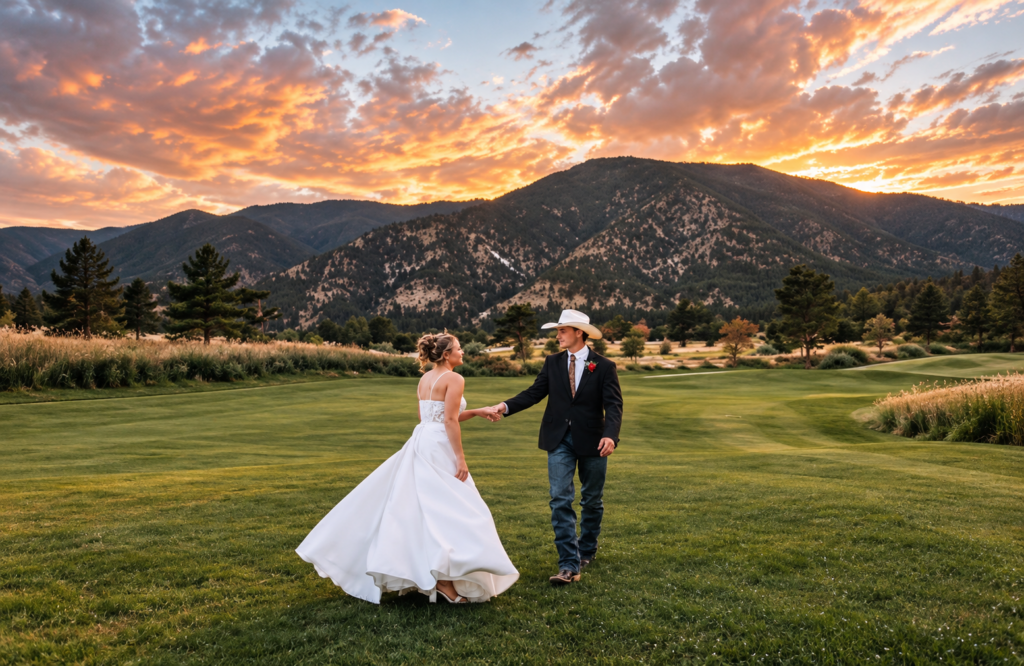
Your venue decides your date, your final headcount, and honestly half your vibe, so it deserves to be decision number one, not number five. Look for somewhere that can host both ceremony and reception; it cuts your logistics in half. Our Weddings & Events venue is a good example. We have an outdoor mountain-view ceremony lawn and an indoor Pavilion reception space on the same property, so nobody has to caravan across town in their heels.
4. Let one venue carry the heavy lifting
Every vendor you hire separately is one more contract, one more delivery window, one more thing that could go wrong. So, an easy way to simplify this is to choose a venue with in-house catering, bar service, and a coordinator on staff, which quietly absorbs much of that risk. If you’re weighing options in the area, this guide to wedding venues in Reno is a decent place to see how full-service venues stack up against booking everything piecemeal.
5. “Sometime soon” is where tasks go to die: Put real dates on your timeline
Vague deadlines never get met; real dates do. Any to do list for bride without dates attached becomes a source of anxiety sooner or later. Instead, use the checklist above, assign every task a target month, and check in with your partner once a month to see what’s done and what’s not. Boring? Yes. Effective? Also yes.
6. Book the highest-demand vendors like it’s a competition
Photographers, videographers, bands, and in-demand venues get snapped up 9 to 12 months out for peak-season dates, roughly May through October in most of the U.S. If a specific vendor or date matters to you, put it at the top of your list. Save the smaller decisions, like favors and signage, for closer to the date.
7. Have an actual backup plan for weather, not a hope
Weather is the one variable you can’t control. However, it shouldn’t also derail your day. Outdoor ceremonies are beautiful until the forecast flips three days out. Choose a venue with genuine indoor space attached to the outdoor space, so that you can decide hours before the ceremony. You can see how this setup plays out at our venue near Gardnerville, where the mountain-view lawn sits steps from an indoor Pavilion.
8. Take Care of Your Out-of-Town Guests
Think past the ceremony for a second. If most of your guest list is traveling in, your wedding planner tick list should include their experience, not just yours. Put a little thought into their weekend, reserve a hotel room block early, share nearby dining and activity recommendations on your wedding website. Guests traveling to the Carson Valley or greater Reno area, for example, often appreciate a short list of things to do nearby or a nearby restaurants recommendations for the night before the wedding.
9. Hand off tasks out loud, don’t just hope someone notices
You cannot run your own wedding and enjoy it at the same time. “Someone will probably handle that” is not a plan. Hire a day-of coordinator, even if your venue includes an in-house event manager, and hand off small logistical tasks (gift table, guest book, vendor tips) to specific people you trust. Ask them directly and confirm a week before the wedding.
10. Ignore the trend you secretly don’t like
You’ll see a thousand wedding ideas online between now and your date, and you’re allowed to skip most of them. What people actually remember is personal: a meaningful reading, a great toast, décor that feels like you instead of a trend cycle. Pour your energy and budget into two or three details that genuinely matter and let the rest go.
11. Chase good light for photography, like the golden hour
Ask your photographer to walk the venue ahead of time and find the best light windows, usually the hour before sunset. Venues with real scenery to work with (mountains, water, open landscaping) give your photos more depth than four white walls ever will. You can flip through our photo gallery for reference when briefing your own photographer.
12. Save a little bit of “just us” in the middle of all this
It’s easy to let wedding logistics eat every conversation you have for a year straight, and that can quietly take over your relationship if you let it. Build in breaks, deliberately. Plan one date night a month that has zero wedding talk allowed. Give yourselves permission to say no to a suggestion that doesn’t fit your budget or your vision, even a well-meaning one. Calm engagements really do tend to lead to a calmer, happier wedding day.
One Last Thing
Nowhere there’s a perfect way to plan a wedding, but a proven order of operations can save you time, money, and stress. Budget first, guest list second, venue third, then vendors based on how fast they book. Grab a coffee, bookmark the checklist, and forward it to your fiancé. Use it whenever you feel lost.
And if you’re still hunting for a venue that checks several of these boxes at once, indoor-outdoor flexibility, in-house catering, an events team that’s done this a hundred times, reach out to our team and we’ll set up a tour. Come, see the space in person to know how simpler this gets with us. We genuinely like talking through this stuff; it’s kind of the whole job.
Frequently Asked Questions
How far ahead should we actually start planning?
Most couples start booking vendors 10 to 14 months out, which lines up with the national average engagement of about 15 months. That said, shorter timelines work too; plenty of beautiful weddings come together in 6 months or less. It’s the order of tasks that matters more than the total time you give yourself.
What should we do first, honestly?
Budget and guest count, in that order. Everything downstream, your venue, your caterer, your invitations, is easier to decide once those two numbers exist. It would also save you from overspending.
Can we actually pull off a 6-month wedding?
Yes, easily. Move fast on venue and catering since those book fastest, keep the guest list realistic, and choose a venue that bundles services in-house so you’re not chasing ten vendors on a tight clock.
Is a golf club actually a good wedding venue?
More than people expect, honestly. Golf and country clubs tend to have outdoor ceremony-ready grounds, an indoor reception space, in-house catering and bar service, and an events team that already knows the property inside and out, all under one roof. Take a look at our Weddings & Events venue to see it against the Sierra Nevada backdrop.